Davis Plumbing & Drain Service
  • Home
  • Plumbing Services
    • Water Heater Repair
    • Garbage Disposal
    • Sewer & Pipeline Inspections
      • Slab Leaks
      • Re-Piping Services
    • Water Pressure Reduction
    • Water Filtration
      • Reverse Osmosis
      • Water Softening
      • Water Softener Loop
    • Drain Cleaning
    • Toilet Repair
    • Faucet Repair
      • Faucet Replacement
    • Ice Maker Line
  • Service Areas
    • Apache Junction
    • Mesa
    • Gilbert
    • Chandler
    • Tempe
  • Plumbing Tips
  • Service Guarantee
  • About Us
  • Contact

Author Archives: admin

Reverse Osmosis FAQ’s

Posted on October 14, 2015 by admin

What is Reverse Osmosis?

Osmosis is a natural process where diffuses based on certain “rules.” For example, if a salty body of water is in contact with a fresh body of water, the fresh water dilutes the salt water. It works much like a dry sponge soaking up water when they come into contact. Reverse osmosis uses a strong membrane and high pressure to force the process to run backwards. The result is clean, clear, fresh water from salty or contaminated water.

What does an RO System remove?

Reverse osmosis systems remove 98-99% of all solids and contaminants in the water. This includes both salt and chlorine. Reverse osmosis is the only kind of filter system that removes salt.

Does RO water taste like bottled water?

Some people say yes, reverse osmosis water tastes exactly like bottled water. Bottled water is often treated with reverse osmosis before bottling, so this is entirely plausible. On the other hand, there are people who claim that reverse osmosis water from a home RO system actually tastes better than bottled water. Perhaps the answer varies in part based on taste buds and in part based on how long bottled water has been in a plastic bottle, absorbing the flavor of the plastic.

Can an under-the-sink model be hooked up to the ice maker in the refrigerator?

In most cases, yes. Once in a while, the plumbing situation makes this overly complicated and cost prohibitive. However, it is usually no problem to hook up an under-the-sink reverse osmosis system to the refrigerator’s ice maker.

Do I need an RO system?

Some studies indicate that about 90% of American homes have hard water, so most households would benefit. However, you can have your water tested to be sure.
Posted in Uncategorized | Leave a comment |

What’s Stuck In My Drain?

Posted on October 7, 2015 by admin

There is nothing good about having a clogged kitchen sink because it makes it difficult to prepare meals and wash dishes. No matter whether your kitchen sink has a garbage disposal or you put most garbage in a trash can instead, there are common items that will clog the sink’s drain. When you contact a plumber for assistance, determine if one or more of these things are clogging the drain and avoid pouring these in a kitchen sink in the future.

One: Eating or Cooking Utensils

Did you accidentally allow an eating or cooking utensil to slide into the kitchen’s drain? This is one of the most common reasons for a clogged drain because food debris gets stuck inside the device while you wash dishes and prepare food.

Two: Fruit or Vegetable Peels

Thick fruit or vegetable peels often create a clog inside a kitchen’s drain because the items are fibrous. Potato or banana peels will wrap around a garbage disposal’s blades. To avoid cuts, do not attempt to pull out the peels with your hands.

Three: Bones and Grease

Never allow meat bones or large amounts of grease to enter a kitchen’s drain because either one of these items can create a clog. Pieces of bone remain inside a drain to capture other food debris, including grease. Grease tends to coagulate inside a drain to create a thick clog that water alone will not dislodge.

Four: Pasta and Rice

Avoid rinsing rice or pasta into a kitchen’s drain because these foods absorb water quickly and swell. As these foods swell, a large clog develops and creates a gummy mass inside a water pipe that often requires removal by a professional plumber. Make sure to put pasta and rice garbage into a wastebasket instead.

Posted in Uncategorized | Leave a comment |

Common Toilet Symptoms And Their Source

Posted on September 30, 2015 by admin

toiletThe toilet is one of the plumbing appliances that we cannot live without today. A broken toilet can cause a major disruption in your daily life. This is especially true if you only have one toilet in your home. Fortunately, many toilet problems can easily be solved. Below is a list of some of the common toilet symptoms:

Low Bowl Water

The toilet bowl is supposed to automatically refill after each flush. If you notice that the toilet bowl has less than half of what it supposed to have, then is a cause for concern. The toilet bowl may be cracked. It could also be a sign that the toilet bowl is clogged.

Toilet Is Flushing Twice

If your toilet is flushing twice, then this could be a sign that there is too much water in the tank. You can adjust the amount of water in your tank by lowering or raising the tank level.

Toilet Making Weird Noises After Flushing

If you hear a suction-like sound, then this could be a sign that a vent pipe is blocked. In some cases, you may hear a suction-like noise coming from the bathroom sink also. If the clog is located near the surface, then it should be easy to remove.

Weak Flush

A weak flush is a common, frustrating problem. If your toilet was made between 1994 and 1997, then it may be a defective model. It is nearly impossible to fix these toilets. That is why you will have to get a new one. A weak flush can also be caused by hard water and mineral buildup.

Muriatic acid can remove minerals. You will need to mix the muriatic acid with water in a 1:10 ratio. Be cautious when working with muriatic acid. Additionally, a weak flush can be caused by a weak valve. Replacing the valve is relatively expensive.

Posted in Uncategorized | Leave a comment |

New Home Plumbing Tips

Posted on September 21, 2015 by admin

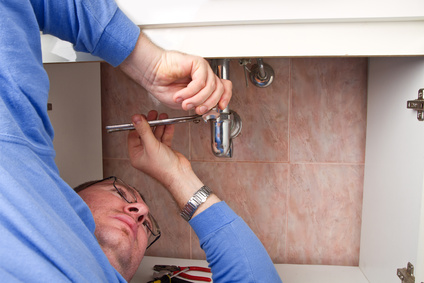
Fotolia_68314124_Subscription_Monthly_MPlumbing is something that many of us have a tendency to overlook. However, a properly-functioning plumbing system is a necessity. That is why it is essential to make sure all of the plumbing appliances are working correctly when you move in your new home. Below is a list of essential new home plumbing tips:
Major Appliances

Laundry machines and dishwashers make day to day living a lot easier. You want to make sure that the valves and hoses on these appliances are leak-free. Routine maintenance is also essential for these appliances.

Drains And Disposal Symptoms

You should never pour oils and fat down the drain. This can clog up the drain. You may also want to consider using a strainer. A strainer can potentially prevent your system from getting clogged.

Disposal Systems are great for getting rid of garbage. However, there are some things that should never be placed inside of a garbage disposal. Plastic, coarse peels, bones and rinds are examples of things that should never be placed inside of a garbage disposal. Turn on the disposal prior to pouring in any waste. This will make it easier for the machine to grind up the remnants.

Toilet Tips

One of the best things you can do to protect your toilet is to avoid flushing things down it that do not belong. Hair, cotton, paper towels and sanitary pads are examples of some of the things that can clog up your toilet. These items do not properly disintegrate and can clog up the pipes.

Posted in Uncategorized | Leave a comment |

Benefits of a High Efficiency Toilet

Posted on September 14, 2015 by admin

Open toilet bowl isolated on white backgroundMore and more people are beginning to see the benefits that come with a high efficiency toilet. While previously high efficiency toilets experienced problems with people having to make multiple flushes, new technology has improved high efficiency toilets to where they are not only environmentally friendly, but budget friendly as well.
One of the biggest benefits of using a high efficiency toilets is how much money it saves. On average switching to a high efficiency toilet will save a family $2000 during the life of the toilet. Not only have they become more affordable to purchase, but this impact on lowering a water bill makes it an easy switch from a traditional toilet. This reduction on the water bill makes this a home investment that pays for itself within a year.

Originally, high efficiency toilets were chosen by those who wanted a more environmentally friendly toilet in their home. As more attention is being brought to the environment and we begin to see how even the smallest changes have an impact, people are seeing no other option when it comes time to build a house or switch out the toilet in their current home. The high efficiency toilet saves 4000 flushes a year using less water.

As we move towards the future we see that changing even a simple bathroom fixture will have an affect on the environment in a positive way. With new regulations and technology, these high efficiency toilets provide the same power as traditional toilets while saving money and using less water.

Posted in Uncategorized | Leave a comment |

Plumbing Tip: Fix Small Problems Before They Become Big Ones

Posted on September 1, 2015 by admin

Fotolia_73360365_Subscription_Monthly_M

Inanimate objects do not repair themselves. If a problem begin to occur, even if it is intermittent, it will get worse over time. Years ago, people would whack the side of television sets when they acted up in order to get the picture to return to normal. Old tubes and overheating electronics sometimes responded to this amateur approach, at least for a little while.This technique was so popular it became known humorously as the “technician’s tap.” Nevertheless, those little problems became more frequent until expert repair became inevitable. However, other associated components also would fail due to the problem going on for so long, making delayed repairs always cost more than if the problem was immediately dealt with.

This is actually common with plumbing systems in homes and businesses. Small leaks turn into big leaks. Slow drains turn into hard blockages that may require digging up and replacing the sewer line from the house to the street. That level of repair can end up costing more than a headache in the end.

Any leaking pipe is a sign of impending failure. Little leaks are warning signs. Failure can result in tens of thousands of dollars of water damage that may not be fully covered unless homeowners have flood insurance. Drains that are beginning to slow are warning signs that build up, root intrusion, collapsed terracotta sewer mains or other problems are at their beginning stages. Getting a professional plumber to diagnose and repair little problems now can save thousands in repair costs later.

Posted in Uncategorized | Leave a comment |

Drip, Drip, Drip: What Will A Leaky Faucet Cost You In The End?

Posted on August 25, 2015 by admin

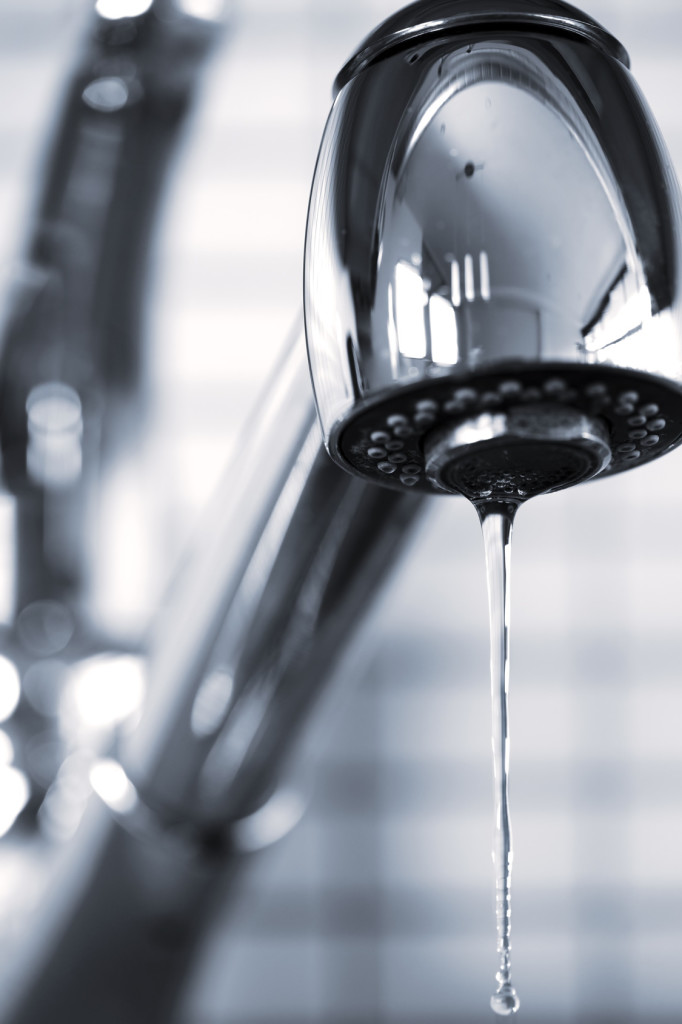
Fotolia_23406014_Subscription_Monthly_MA dripping faucet is more than a nuisance. Many people notice the sound at night, when the steady sound comes through like water torture.

In drought areas, wasted water represents moisture needed by people, crops, gardens and animals. In any location, the drip costs you money and can lead to unpleasant consequences.

The Cost of Leaking Faucets

A property that has three faucets leaking at 30 drips a minute wastes 8 gallons of water daily and 3,124 gallons in a year, according to the U.S. Geological Survey website. That dripping faucet does more than waste water. Plumbing leaks and drips can attract insect pests, vermin and unwanted wildlife. Home and business pests such as cockroaches, mice and rats seek water, and that drip makes your place more attractive for them to live in — and reproduce. Drips also increase the risk of stains from mineral deposits and rust stains, which can make sinks and fixtures look dingy. In some cases the damage might be permanent and require costly replacements. In the interest of saving water and saving money, fix drips right away.

How to Fix the Drip

Often a leaking faucet requires only a new washer to stop the drip. Some newer faucets may need a cylinder replacement, so if you’re not sure, look for your faucet model online for instructions and replacement parts, or call in a plumber. Leaking faucets never stop dripping by themselves, and tightening the handle may make the problem worse.
Posted in Uncategorized | Leave a comment |

Water Conservation Tip: Here Are 10 Beautiful Plants That Require Very Little Water

Posted on August 18, 2015 by admin
Saving water is high on the priority list for most property owners. One of the best ways to keep a luxurious yard without the need for constant watering is to use plants that thrive with less water than most. These kinds of plants can be layered for a better effect, and most are perfect for tight spaces. Some will even work in shady areas where there are plenty of trees and bushes.

For year round color, the Angelita Daisy and Desert Marigold are perfect for blanketing a large area with color. These plants bloom almost the entire year and require one foot of space between plants to give complete coverage. Lemon Dalea grows in spikes with yellow flowers to give a pop of color. Another yellow flowering plant is the Trailing Gold Emu, which blooms from spring to fall. Damainita, which blooms during the same period, has flowers that are similar to daisies. The Golden Dyssodia, which also looks like daisies, blooms spring to fall and it attracts butterflies.

Lantanas come in a variety of colors and are perfect for people who want to appeal to butterflies. Trailing Rosemary uses very little water and blooms from winter to spring with small blue flowers. Katie Ruellia and Rock Verbena both have purple flowers that are in bloom from spring to fall, and when mixed with Trailing Rosemary it gives flowering coverage year round. Bush Morning Glory plants grow with silver colored leaves, and white flowers bloom in March to add a little variety.

Posted in Uncategorized | Leave a comment |

3 Tips on How to Keep Your Septic Tank Healthy

Posted on August 11, 2015 by admin
Homeowners will want to get their septic systems cleaned out every three to five years and have an inspection done, but during a three to five year period there are a lot of things that can go wrong. A clog or leak could turn into something major if you do not know how to keep your septic tank healthy. The following are three tips that you should consider to keep your septic tank in good working order:

Flushing Habits

Be sure that everyone in your household has a complete understanding of what should and should not be flushed down the toilet. Being choosy about your toilet paper can also help your septic tank as that which is made from recycled paper is known to break down much faster and more complete.

Garbage Disposals

While many enjoy the convenience of a garbage disposal, it can be damaging to your septic tank. Grease and solids can actually cause a clog quicker than anything else. If you are going to have one in your home, limit how much it gets used to protect your septic system.

Cleaning Chemicals

There are specific cleaners to use when cleaning your toilet that will not harm your septic. Do not simply dump any other cleaners down your septic to get rid of them. Certain chemicals will actually prevent the breakdown of sewage as they kill the good bacteria.By following the above three tips, you can be sure that your septic is working properly and stays healthy in between inspections and cleanouts.

Posted in Uncategorized | Leave a comment |

3 Things That Should Never Go Down Your Drain

Posted on May 9, 2015 by admin

Even though it may be easy, and even though you might not care, there are three substances that should NEVER, UNDER ANY CIRCUMSTANCES, go down your drain. And that’s whether you are a homeowner who cares about the health of your plumbing system, or just a renter who doesn’t want to have to deal with a potentially ruinous hassle.

The problem, unfortunately, is that these three things are everywhere, and are all too easy to wash down your drain without thinking about it. Even so, DON’T DO IT! You don’t want to face the world of pain waiting for you if you do.

What are these three substances?

1)   Fat

2)   Oil

3)   Grease

That goes double if you have a garbage disposal, as each of these things will destroy your beloved disposer over time in their own specific way.

These three things are so dastardly because each is a natural by-product of cooking. Everything from butter to eggs to meat releases some form of fat, oil, or grease, none of which are water-soluble. Rather than dissolving, they’ll just float on top of any water used to rinse them away, minding their business until its time to connect to, and harden on, your pipes. When they do, fat, oil, and grease create blockages that must be snaked or flushed or rooted out, each of which costs you money.

They can even back up your sewage system! No drain is safe!

To prevent this kind of damage to your plumbing, don’t ever pour fat, grease, or oil down the sink or any drain. Instead, discard any grease left over in a pan or pot into a separate container where it can harden and be disposed of later (make sure this container is made of glass or aluminum). Furthermore, consider a sink strainer to trap food prior to rinsing off your plates and dishes. Scrape your pans or plates over the garbage, and, if you can, wipe them down with steal wool or a paper towel prior to rinsing.

If it’s too late, and you are already feeling the effects of washing fat, grease, or oil down your drains, call Davis Plumbing & Drain Service. We know what to do, and it’s our pleasure to help.

Posted in Uncategorized | Leave a comment |
Emergency Plumbing Services
  • Prev
  • 1
  • 2
  • 3
  • 4
  • Next
© 2013 Davis Plumbing And Drain Service – All Rights Reserved